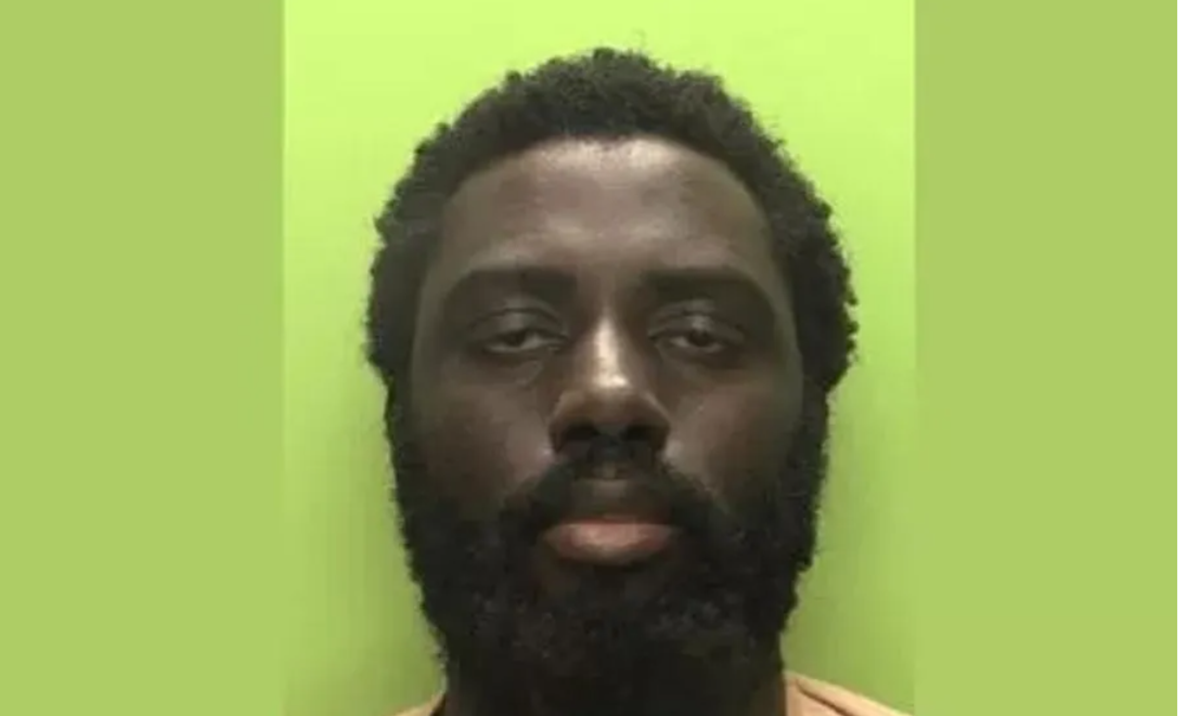
A public inquiry into one of the UK's most shocking recent crimes has revealed that a paranoid schizophrenic man was discharged from mental health services just months before he went on to kill three people in Nottingham.
Hearings in the Nottingham inquiry are now shedding new light on how missed opportunities, communication failures, and gaps in patient monitoring may have contributed to the tragedy that unfolded on 13 June 2023.
Valdo Calocane, who had been diagnosed with paranoid schizophrenia, stabbed to death two university students and a school caretaker before attempting to kill three more people using a stolen van in a series of attacks that stunned the country.
Evidence presented to the Nottingham inquiry shows that Calocane had been under the care of Nottinghamshire Healthcare NHS Foundation Trust for around two years before the attacks. During that time, a consultant's psychiatrist reportedly warned that he could become violent if his condition deteriorated.
Despite these concerns, the inquiry heard that Calocane was discharged from the Early Intervention in Psychosis (EIP) service in September 2022. The decision came after he repeatedly failed to attend appointments and stopped engaging with mental health professionals.
The healthcare staff at the EIP told the inquiry they had effectively 'lost' contact with him and were unable to locate him, which contributed to the decision to discharge him to the care of his general practitioner.
Medical experts have since questioned that decision. One forensic psychiatrist described discharging a high-risk patient with a history of psychiatric admissions as 'never a good plan', warning that such individuals should not be allowed to fall out of the system.
The case of the Nottingham killer has exposed what investigators describe as a pattern of missed warning signs and systemic shortcomings in mental health services. Calocane had multiple prior interactions with healthcare providers and had been detained under mental health laws several times since his diagnosis in 2020.
A separate review previously found a 'series of errors, omissions and misjudgements' in his care, concluding that the risk he posed to the public was not managed well. In January 2022, police were called to an incident where Calocane allegedly assaulted a flat mate.
Among the concerns raised were his failure to consistently take medication, episodes of aggressive behaviour, and difficulties maintaining contact with services. Despite this, opportunities to escalate his care or ensure closer supervision were missed.
Source: International Business Times UK