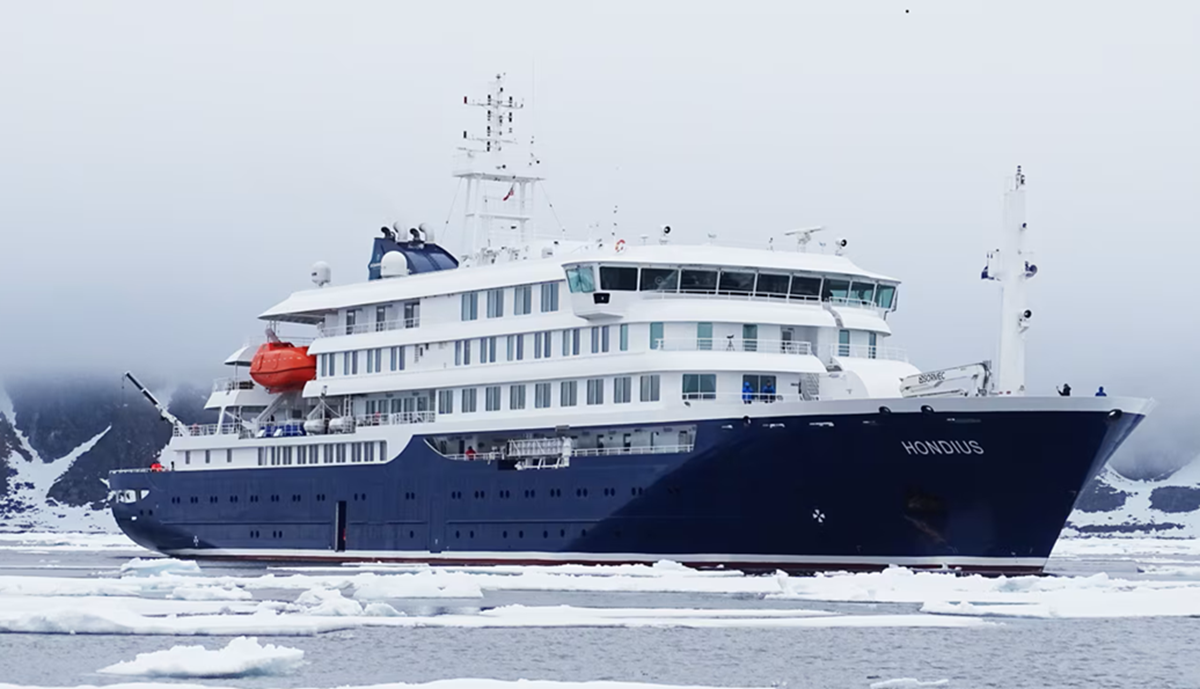
A deadly hantavirus outbreak aboard an Atlantic cruise ship is raising global alarm after health officials warned that rare human-to-human transmission (HHT) may have occurred, a scenario rarely seen with this type of virus.
The outbreak, linked to the expedition vessel MV Hondius, has resulted in at least three deaths and several additional infections among passengers and crew, according to the World Health Organisation (WHO).
While hantaviruses are typically spread through contact with infected rodent urine, droppings, or saliva, investigators now believe this outbreak may involve the Andes virus (ANDV), the only known hantavirus strain capable of spreading between humans.
WHO officials said some transmission aboard the ship may have occurred through close contact between passengers, marking a rare example of human-to-human transmission.
The suspected chain of infection has drawn particular attention to a Dutch couple who boarded the ship after travelling in South America, where the Andes virus is endemic. Both later died after developing severe respiratory symptoms.
Experts say this strain is especially concerning because it can spread during the early stages of illness, when symptoms may resemble mild flu, making detection and containment difficult.
The Andes virus is the leading cause of hantavirus pulmonary syndrome (HPS) in South America and carries afatality rate of around 40%, according to medical data. The illness typically begins with fever, fatigue, and muscle aches before rapidly progressing to severe respiratory distress, often requiring intensive care.
The Andes virus is carried mainly by the long-tailed pygmy rice rat, a common species in rural Argentina and Chile. Apart from the long-tailed pygmy rice rat, the Andes virus is relatively common in the long-haired grass mouse, commonly found throughout South America, but is highest in Patagonia.
Cruise ships present a particularly dangerous environment for such outbreaks due to close quarters, shared ventilation, and prolonged contact among passengers, factors that may have facilitated transmission in this case.
Notably, investigators reported no evidence of rodents on board, further strengthening the theory that the virus may have spread between people rather than through its usual animal vector.
Source: International Business Times UK