By mid-morning on Mahé, the air in Seychelles usually feels like it's been poured out of a warm bath. Palm trees lean over water so blue it looks edited, honeymooners pad between sun loungers, and the loudest thing you're meant to hear is a cocktail shaker or a parrot.
This winter, another sound has cut in: the flat, bureaucratic tone of a US health warning.
For a destination that sells itself on worry‑free escape, the words 'mosquito‑borne virus' are about as welcome as rain on Anse Lazio.
The US Centers for Disease Control and Prevention (CDC) has issued a Level 2 travel notice for Seychelles, telling American visitors to 'practise enhanced precautions' because of an outbreak of chikungunya.
On paper, Level 2 sounds benign – this is not the agency's do‑not‑go Level 4. But in travel terms it is still a sharp tap on the brakes aimed squarely at one of the world's most picture‑perfect archipelagos.
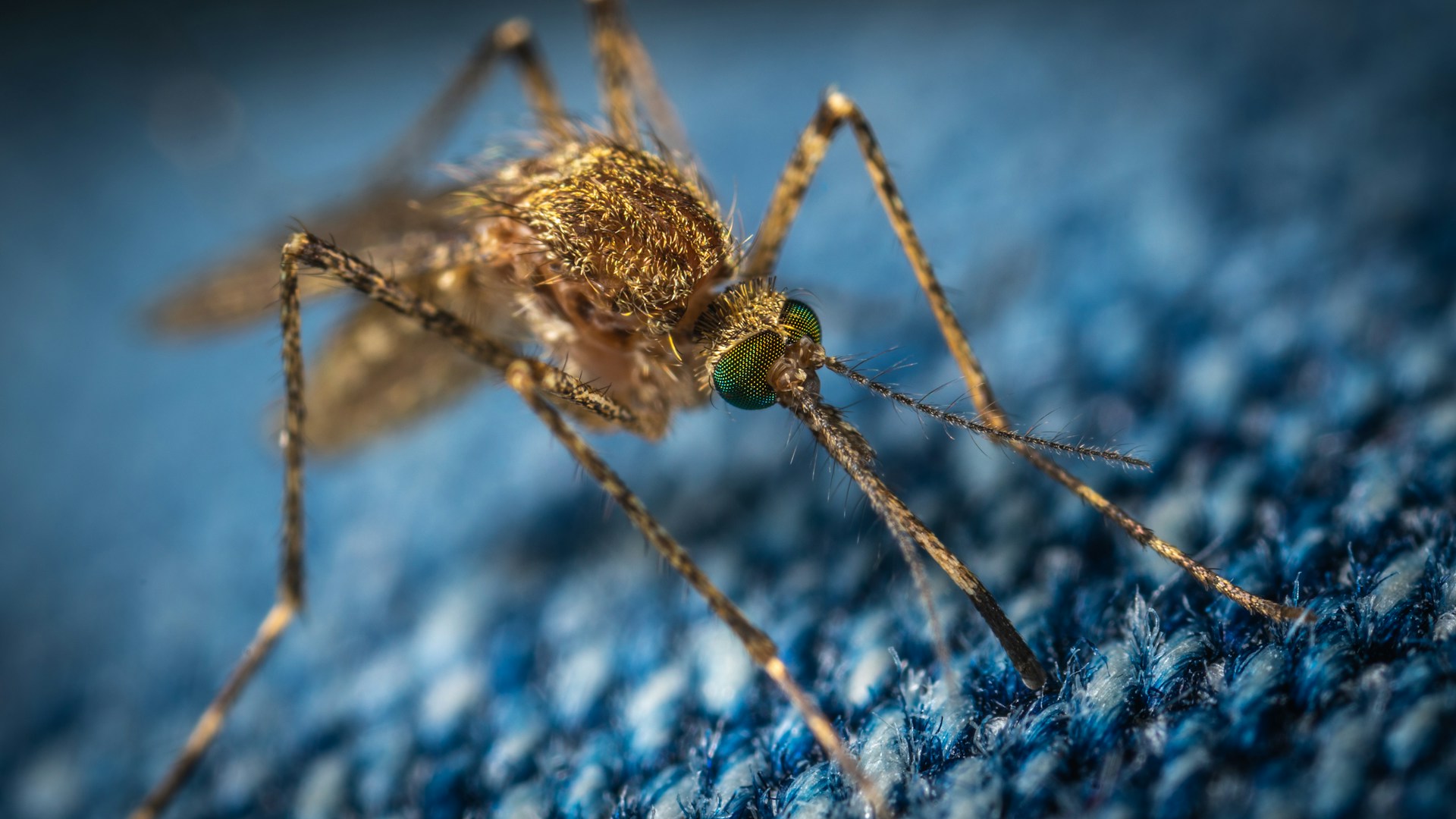
Chikungunya, or CHIKV, is hardly a household name, though it has shadowed tropical and subtropical regions for years. It is carried by Aedes aegypti and Aedes albopictus mosquitoes – the same species that spread dengue andZika– and passed on when an infected insect bites a person. There is no transmission through casual contact or saliva. Blood transfusion transmission is considered possible but rare.
The word itself comes from a Makonde term loosely meaning 'to become contorted' or 'bent over'. That etymology is not poetic licence. One of chikungunya's hallmarks is ferocious joint pain that can leave patients quite literally doubled up.
Fever and joint pain are the classic pairing, but they are not the whole story. Headaches, muscle aches, swelling, rashes, profound fatigue and bouts of nausea are also common. Most people, according to clinicians such as those at the Cleveland Clinic, recover in about a week. Some, however, are left with lingering joint pain that can drag on for months or even years, blurring the line between a 'holiday bug' and a chronic condition.
There is no antiviral cure once you have it. Treatment is rest, fluids and pain management. The good news – and this is not trivial – is that a vaccine now exists. Travellers can be immunised before they set foot on a Seychelles beach, although uptake is likely to be patchy, especially among last‑minute bookers who barely remember sunscreen.
The CDC is careful with its language. A Level 2 advisory means: go, but go prepared. It falls well short of telling people to cancel flights outright. Seychelles' tourism industry, which underpins much of its economy, will cling hard to that nuance.
Source: International Business Times UK