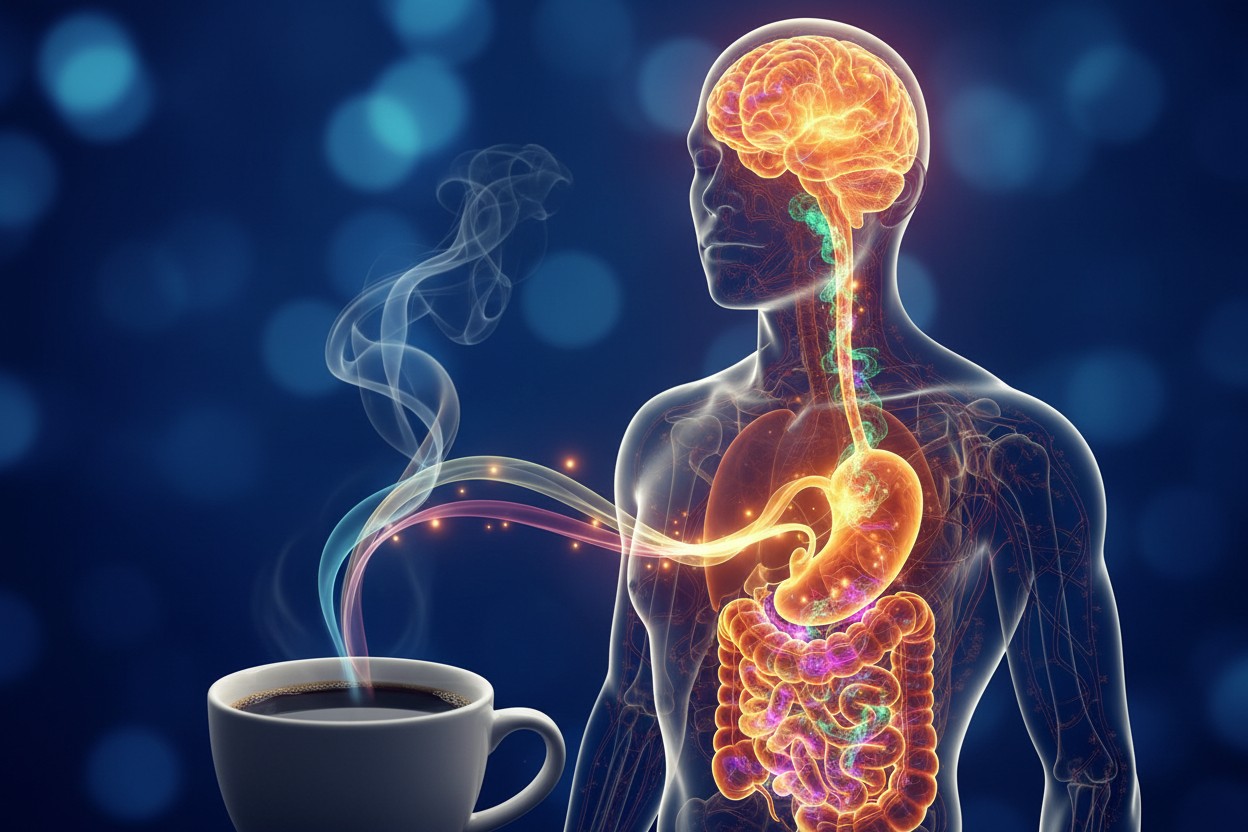
Lead researcher Dr. John Cryan, a principal investigator at APC Microbiome Ireland, noted that the findings suggest coffee's benefits extend beyond caffeine. "This study is the first to confirm what gut health specialists have seen in clinical practice for years: that coffee is a functional beverage," said Coco Pierrel, a certified integrative nutritionist not involved in the research, as quoted by Healthline. The research adds to a growing body of evidence connecting diet and mental health.Study Design and Key FindingsResearchers analyzed 62 adults, including 31 regular coffee drinkers and 31 non-drinkers. Coffee drinkers, defined as those consuming 3 to 5 cups daily, first abstained for two weeks, which led to notable shifts in gut metabolite profiles. When coffee was reintroduced in a blinded trial, half consumed caffeinated and half decaffeinated. Both groups reported reduced stress, depression, and impulsivity, suggesting benefits beyond caffeine. Researchers also observed increases in specific gut bacteria linked to digestion and immune function.Decaffeinated coffee was associated with improved learning and memory, while caffeinated coffee was linked to reduced anxiety, better attention, and lower inflammation, highlighting distinct but complementary effects. The study design controlled for diet and lifestyle factors, strengthening the causal inference. According to the report, these findings align with previous research on diet and mood, such as the science-backed foods that regulate mood described in a NaturalNews article. "Certain foods directly impact mood-regulating neurotransmitters like serotonin, dopamine, and GABA," noted author Belle Carter. [1]Mechanisms: How Coffee Affects the Gut-Brain AxisAccording to certified integrative nutritionist Coco Pierrel, coffee feeds gut microbes through polyphenols and melanoidins, which are fermented into short-chain fatty acids that signal the brain via the vagus nerve. "Your gut bacteria ferment these into short-chain fatty acids, which send signals directly to the brain through the vagus nerve," Pierrel explained, as quoted by Healthline. This mechanism is consistent with the growing understanding of the gut-brain connection, as outlined in the book "This Is Your Brain on Food" by Dr. Uma Naidoo, which states that gut bacteria interact with vagal afferents. [5]Caffeine blocks adenosine receptors in the brain while stimulating gastric acid and motility, synchronizing metabolism with mental clarity, Pierrel said. The gut-brain axis is a bidirectional communication system, and coffee appears to influence it through both direct neural pathways and inflammatory signaling. A separate study on partially hydrolyzed guar gum also demonstrated how prebiotic fibers can sharpen mind and lift mood, reinforcing the role of gut health in mental function. [2]Differences Between Caffeinated and Decaffeinated CoffeeWhile both types showed benefits, caffeinated coffee was specifically linked to reduced anxiety and improved vigilance and attention, according to the study. Pierrel explained that caffeine blocks adenosine, and habitual drinkers develop a blunted cortisol response over time, which may reduce reactivity to stress. "What most people miss is that habitual coffee drinkers develop a blunted cortisol response over time, meaning daily coffee may actually train your nervous system to handle pressure with less reactivity," she said.The study also found caffeine specifically reduced inflammation. Decaffeinated coffee, on the other hand, was associated with improved learning and memory, likely due to the polyphenols that lower inflammation regardless of caffeine. The book "Nutrition and Mental Health: The Gut-Brain Connection" discusses how chronic inflammation affects mood and cognition, supporting the idea that anti-inflammatory compounds in coffee benefit mental health. [4] "A healthy brain is often the byproduct of a healthy gut," Pierrel noted.Expert Recommendations for Optimizing Coffee IntakePierrel advised that two to three cups per day is the "sweet spot" for gut and brain benefits, and that consumption after 2 p.m. may disrupt sleep. She warned against flavored syrups, artificial sweeteners, and conventional creamers with seed oils or gums, which may negate anti-inflammatory effects. She recommended black coffee, organic if possible, or simple plant milks. "The real problem is rarely the coffee itself; it is what most people pour into it," Pierrel said, as quoted by Healthline.These recommendations align with broader nutritional advice to avoid processed additives. An article on diet and neurotransmitters emphasizes that a balanced diet stabilizes mood and that high-fat, high-sugar foods can induce sluggishness. [3] Pierrel also suggested using unprocessed maple syrup, raw honey, or natural sweeteners like stevia if sweetness is desired. Experts caution that individual sensitivity varies based on genetics and metabolism, so personal adjustment is necessary.ConclusionThe research adds to evidence that coffee influences mental health through the gut-brain axis, with both caffeinated and decaffeinated varieties offering distinct benefits. Further studies may clarify long-term effects and individual variability based on genetics and metabolism. This study, funded by APC Microbiome Ireland, underscores the potential of dietary interventions for mental wellness, a topic of growing interest among researchers and the public.As the understanding of the gut-brain connection deepens, coffeeâa widely consumed beverageâmay be viewed not just as a stimulant but as a functional food. The findings encourage a focus on whole, unprocessed foods for supporting mental health, consistent with the principles of natural and holistic medicine.ReferencesScience-Backed Foods That Help Regulate Your Mood. NaturalNews.com. Belle Carter. February 16, 2026.Guar Gum Could Sharpen Your Mind, Lift Your Mood, and Transform Your Sleep, According to Latest Research. NaturalNews.com. September 8, 2025.How Diet and Neurotransmitters Shape Your Brain Power: Keys to Mental Clarity and Longevity. NaturalNews.com. Willow Tohi. July 5, 2025.Nutrition and Mental Health: The Gut-Brain Connection. Zamzar.The Food Mood Connection. Uma Naidoo MD.Mike Adams interview with Diane Kazer - August 11 2025.2025 10 09 BBN Interview with Habib and Sean RESTATED.
Lead researcher Dr. John Cryan, a principal investigator at APC Microbiome Ireland, noted that the findings suggest coffee's benefits extend beyond caffeine. "This study is the first to confirm what gut health specialists have seen in clinical practice for years: that coffee is a functional beverage," said Coco Pierrel, a certified integrative nutritionist not involved in the research, as quoted by Healthline. The research adds to a growing body of evidence connecting diet and mental health.Study Design and Key FindingsResearchers analyzed 62 adults, including 31 regular coffee drinkers and 31 non-drinkers. Coffee drinkers, defined as those consuming 3 to 5 cups daily, first abstained for two weeks, which led to notable shifts in gut metabolite profiles. When coffee was reintroduced in a blinded trial, half consumed caffeinated and half decaffeinated. Both groups reported reduced stress, depression, and impulsivity, suggesting benefits beyond caffeine. Researchers also observed increases in specific gut bacteria linked to digestion and immune function.Decaffeinated coffee was associated with improved learning and memory, while caffeinated coffee was linked to reduced anxiety, better attention, and lower inflammation, highlighting distinct but complementary effects. The study design controlled for diet and lifestyle factors, strengthening the causal inference. According to the report, these findings align with previous research on diet and mood, such as the science-backed foods that regulate mood described in a NaturalNews article. "Certain foods directly impact mood-regulating neurotransmitters like serotonin, dopamine, and GABA," noted author Belle Carter. [1]Mechanisms: How Coffee Affects the Gut-Brain AxisAccording to certified integrative nutritionist Coco Pierrel, coffee feeds gut microbes through polyphenols and melanoidins, which are fermented into short-chain fatty acids that signal the brain via the vagus nerve. "Your gut bacteria ferment these into short-chain fatty acids, which send signals directly to the brain through the vagus nerve," Pierrel explained, as quoted by Healthline. This mechanism is consistent with the growing understanding of the gut-brain connection, as outlined in the book "This Is Your Brain on Food" by Dr. Uma Naidoo, which states that gut bacteria interact with vagal afferents. [5]Caffeine blocks adenosine receptors in the brain while stimulating gastric acid and motility, synchronizing metabolism with mental clarity, Pierrel said. The gut-brain axis is a bidirectional communication system, and coffee appears to influence it through both direct neural pathways and inflammatory signaling. A separate study on partially hydrolyzed guar gum also demonstrated how prebiotic fibers can sharpen mind and lift mood, reinforcing the role of gut health in mental function. [2]Differences Between Caffeinated and Decaffeinated CoffeeWhile both types showed benefits, caffeinated coffee was specifically linked to reduced anxiety and improved vigilance and attention, according to the study. Pierrel explained that caffeine blocks adenosine, and habitual drinkers develop a blunted cortisol response over time, which may reduce reactivity to stress. "What most people miss is that habitual coffee drinkers develop a blunted cortisol response over time, meaning daily coffee may actually train your nervous system to handle pressure with less reactivity," she said.The study also found caffeine specifically reduced inflammation. Decaffeinated coffee, on the other hand, was associated with improved learning and memory, likely due to the polyphenols that lower inflammation regardless of caffeine. The book "Nutrition and Mental Health: The Gut-Brain Connection" discusses how chronic inflammation affects mood and cognition, supporting the idea that anti-inflammatory compounds in coffee benefit mental health. [4] "A healthy brain is often the byproduct of a healthy gut," Pierrel noted.Expert Recommendations for Optimizing Coffee IntakePierrel advised that two to three cups per day is the "sweet spot" for gut and brain benefits, and that consumption after 2 p.m. may disrupt sleep. She warned against flavored syrups, artificial sweeteners, and conventional creamers with seed oils or gums, which may negate anti-inflammatory effects. She recommended black coffee, organic if possible, or simple plant milks. "The real problem is rarely the coffee itself; it is what most people pour into it," Pierrel said, as quoted by Healthline.These recommendations align with broader nutritional advice to avoid processed additives. An article on diet and neurotransmitters emphasizes that a balanced diet stabilizes mood and that high-fat, high-sugar foods can induce sluggishness. [3] Pierrel also suggested using unprocessed maple syrup, raw honey, or natural sweeteners like stevia if sweetness is desired. Experts caution that individual sensitivity varies based on genetics and metabolism, so personal adjustment is necessary.ConclusionThe research adds to evidence that coffee influences mental health through the gut-brain axis, with both caffeinated and decaffeinated varieties offering distinct benefits. Further studies may clarify long-term effects and individual variability based on genetics and metabolism. This study, funded by APC Microbiome Ireland, underscores the potential of dietary interventions for mental wellness, a topic of growing interest among researchers and the public.As the understanding of the gut-brain connection deepens, coffeeâa widely consumed beverageâmay be viewed not just as a stimulant but as a functional food. The findings encourage a focus on whole, unprocessed foods for supporting mental health, consistent with the principles of natural and holistic medicine.ReferencesScience-Backed Foods That Help Regulate Your Mood. NaturalNews.com. Belle Carter. February 16, 2026.Guar Gum Could Sharpen Your Mind, Lift Your Mood, and Transform Your Sleep, According to Latest Research. NaturalNews.com. September 8, 2025.How Diet and Neurotransmitters Shape Your Brain Power: Keys to Mental Clarity and Longevity. NaturalNews.com. Willow Tohi. July 5, 2025.Nutrition and Mental Health: The Gut-Brain Connection. Zamzar.The Food Mood Connection. Uma Naidoo MD.Mike Adams interview with Diane Kazer - August 11 2025.2025 10 09 BBN Interview with Habib and Sean RESTATED.
Study Design and Key FindingsResearchers analyzed 62 adults, including 31 regular coffee drinkers and 31 non-drinkers. Coffee drinkers, defined as those consuming 3 to 5 cups daily, first abstained for two weeks, which led to notable shifts in gut metabolite profiles. When coffee was reintroduced in a blinded trial, half consumed caffeinated and half decaffeinated. Both groups reported reduced stress, depression, and impulsivity, suggesting benefits beyond caffeine. Researchers also observed increases in specific gut bacteria linked to digestion and immune function.Decaffeinated coffee was associated with improved learning and memory, while caffeinated coffee was linked to reduced anxiety, better attention, and lower inflammation, highlighting distinct but complementary effects. The study design controlled for diet and lifestyle factors, strengthening the causal inference. According to the report, these findings align with previous research on diet and mood, such as the science-backed foods that regulate mood described in a NaturalNews article. "Certain foods directly impact mood-regulating neurotransmitters like serotonin, dopamine, and GABA," noted author Belle Carter. [1]Mechanisms: How Coffee Affects the Gut-Brain AxisAccording to certified integrative nutritionist Coco Pierrel, coffee feeds gut microbes through polyphenols and melanoidins, which are fermented into short-chain fatty acids that signal the brain via the vagus nerve. "Your gut bacteria ferment these into short-chain fatty acids, which send signals directly to the brain through the vagus nerve," Pierrel explained, as quoted by Healthline. This mechanism is consistent with the growing understanding of the gut-brain connection, as outlined in the book "This Is Your Brain on Food" by Dr. Uma Naidoo, which states that gut bacteria interact with vagal afferents. [5]Caffeine blocks adenosine receptors in the brain while stimulating gastric acid and motility, synchronizing metabolism with mental clarity, Pierrel said. The gut-brain axis is a bidirectional communication system, and coffee appears to influence it through both direct neural pathways and inflammatory signaling. A separate study on partially hydrolyzed guar gum also demonstrated how prebiotic fibers can sharpen mind and lift mood, reinforcing the role of gut health in mental function. [2]Differences Between Caffeinated and Decaffeinated CoffeeWhile both types showed benefits, caffeinated coffee was specifically linked to reduced anxiety and improved vigilance and attention, according to the study. Pierrel explained that caffeine blocks adenosine, and habitual drinkers develop a blunted cortisol response over time, which may reduce reactivity to stress. "What most people miss is that habitual coffee drinkers develop a blunted cortisol response over time, meaning daily coffee may actually train your nervous system to handle pressure with less reactivity," she said.The study also found caffeine specifically reduced inflammation. Decaffeinated coffee, on the other hand, was associated with improved learning and memory, likely due to the polyphenols that lower inflammation regardless of caffeine. The book "Nutrition and Mental Health: The Gut-Brain Connection" discusses how chronic inflammation affects mood and cognition, supporting the idea that anti-inflammatory compounds in coffee benefit mental health. [4] "A healthy brain is often the byproduct of a healthy gut," Pierrel noted.Expert Recommendations for Optimizing Coffee IntakePierrel advised that two to three cups per day is the "sweet spot" for gut and brain benefits, and that consumption after 2 p.m. may disrupt sleep. She warned against flavored syrups, artificial sweeteners, and conventional creamers with seed oils or gums, which may negate anti-inflammatory effects. She recommended black coffee, organic if possible, or simple plant milks. "The real problem is rarely the coffee itself; it is what most people pour into it," Pierrel said, as quoted by Healthline.These recommendations align with broader nutritional advice to avoid processed additives. An article on diet and neurotransmitters emphasizes that a balanced diet stabilizes mood and that high-fat, high-sugar foods can induce sluggishness. [3] Pierrel also suggested using unprocessed maple syrup, raw honey, or natural sweeteners like stevia if sweetness is desired. Experts caution that individual sensitivity varies based on genetics and metabolism, so personal adjustment is necessary.ConclusionThe research adds to evidence that coffee influences mental health through the gut-brain axis, with both caffeinated and decaffeinated varieties offering distinct benefits. Further studies may clarify long-term effects and individual variability based on genetics and metabolism. This study, funded by APC Microbiome Ireland, underscores the potential of dietary interventions for mental wellness, a topic of growing interest among researchers and the public.As the understanding of the gut-brain connection deepens, coffeeâa widely consumed beverageâmay be viewed not just as a stimulant but as a functional food. The findings encourage a focus on whole, unprocessed foods for supporting mental health, consistent with the principles of natural and holistic medicine.ReferencesScience-Backed Foods That Help Regulate Your Mood. NaturalNews.com. Belle Carter. February 16, 2026.Guar Gum Could Sharpen Your Mind, Lift Your Mood, and Transform Your Sleep, According to Latest Research. NaturalNews.com. September 8, 2025.How Diet and Neurotransmitters Shape Your Brain Power: Keys to Mental Clarity and Longevity. NaturalNews.com. Willow Tohi. July 5, 2025.Nutrition and Mental Health: The Gut-Brain Connection. Zamzar.The Food Mood Connection. Uma Naidoo MD.Mike Adams interview with Diane Kazer - August 11 2025.2025 10 09 BBN Interview with Habib and Sean RESTATED.
Researchers analyzed 62 adults, including 31 regular coffee drinkers and 31 non-drinkers. Coffee drinkers, defined as those consuming 3 to 5 cups daily, first abstained for two weeks, which led to notable shifts in gut metabolite profiles. When coffee was reintroduced in a blinded trial, half consumed caffeinated and half decaffeinated. Both groups reported reduced stress, depression, and impulsivity, suggesting benefits beyond caffeine. Researchers also observed increases in specific gut bacteria linked to digestion and immune function.Decaffeinated coffee was associated with improved learning and memory, while caffeinated coffee was linked to reduced anxiety, better attention, and lower inflammation, highlighting distinct but complementary effects. The study design controlled for diet and lifestyle factors, strengthening the causal inference. According to the report, these findings align with previous research on diet and mood, such as the science-backed foods that regulate mood described in a NaturalNews article. "Certain foods directly impact mood-regulating neurotransmitters like serotonin, dopamine, and GABA," noted author Belle Carter. [1]Mechanisms: How Coffee Affects the Gut-Brain AxisAccording to certified integrative nutritionist Coco Pierrel, coffee feeds gut microbes through polyphenols and melanoidins, which are fermented into short-chain fatty acids that signal the brain via the vagus nerve. "Your gut bacteria ferment these into short-chain fatty acids, which send signals directly to the brain through the vagus nerve," Pierrel explained, as quoted by Healthline. This mechanism is consistent with the growing understanding of the gut-brain connection, as outlined in the book "This Is Your Brain on Food" by Dr. Uma Naidoo, which states that gut bacteria interact with vagal afferents. [5]Caffeine blocks adenosine receptors in the brain while stimulating gastric acid and motility, synchronizing metabolism with mental clarity, Pierrel said. The gut-brain axis is a bidirectional communication system, and coffee appears to influence it through both direct neural pathways and inflammatory signaling. A separate study on partially hydrolyzed guar gum also demonstrated how prebiotic fibers can sharpen mind and lift mood, reinforcing the role of gut health in mental function. [2]Differences Between Caffeinated and Decaffeinated CoffeeWhile both types showed benefits, caffeinated coffee was specifically linked to reduced anxiety and improved vigilance and attention, according to the study. Pierrel explained that caffeine blocks adenosine, and habitual drinkers develop a blunted cortisol response over time, which may reduce reactivity to stress. "What most people miss is that habitual coffee drinkers develop a blunted cortisol response over time, meaning daily coffee may actually train your nervous system to handle pressure with less reactivity," she said.The study also found caffeine specifically reduced inflammation. Decaffeinated coffee, on the other hand, was associated with improved learning and memory, likely due to the polyphenols that lower inflammation regardless of caffeine. The book "Nutrition and Mental Health: The Gut-Brain Connection" discusses how chronic inflammation affects mood and cognition, supporting the idea that anti-inflammatory compounds in coffee benefit mental health. [4] "A healthy brain is often the byproduct of a healthy gut," Pierrel noted.Expert Recommendations for Optimizing Coffee IntakePierrel advised that two to three cups per day is the "sweet spot" for gut and brain benefits, and that consumption after 2 p.m. may disrupt sleep. She warned against flavored syrups, artificial sweeteners, and conventional creamers with seed oils or gums, which may negate anti-inflammatory effects. She recommended black coffee, organic if possible, or simple plant milks. "The real problem is rarely the coffee itself; it is what most people pour into it," Pierrel said, as quoted by Healthline.These recommendations align with broader nutritional advice to avoid processed additives. An article on diet and neurotransmitters emphasizes that a balanced diet stabilizes mood and that high-fat, high-sugar foods can induce sluggishness. [3] Pierrel also suggested using unprocessed maple syrup, raw honey, or natural sweeteners like stevia if sweetness is desired. Experts caution that individual sensitivity varies based on genetics and metabolism, so personal adjustment is necessary.ConclusionThe research adds to evidence that coffee influences mental health through the gut-brain axis, with both caffeinated and decaffeinated varieties offering distinct benefits. Further studies may clarify long-term effects and individual variability based on genetics and metabolism. This study, funded by APC Microbiome Ireland, underscores the potential of dietary interventions for mental wellness, a topic of growing interest among researchers and the public.As the understanding of the gut-brain connection deepens, coffeeâa widely consumed beverageâmay be viewed not just as a stimulant but as a functional food. The findings encourage a focus on whole, unprocessed foods for supporting mental health, consistent with the principles of natural and holistic medicine.ReferencesScience-Backed Foods That Help Regulate Your Mood. NaturalNews.com. Belle Carter. February 16, 2026.Guar Gum Could Sharpen Your Mind, Lift Your Mood, and Transform Your Sleep, According to Latest Research. NaturalNews.com. September 8, 2025.How Diet and Neurotransmitters Shape Your Brain Power: Keys to Mental Clarity and Longevity. NaturalNews.com. Willow Tohi. July 5, 2025.Nutrition and Mental Health: The Gut-Brain Connection. Zamzar.The Food Mood Connection. Uma Naidoo MD.Mike Adams interview with Diane Kazer - August 11 2025.2025 10 09 BBN Interview with Habib and Sean RESTATED.
Decaffeinated coffee was associated with improved learning and memory, while caffeinated coffee was linked to reduced anxiety, better attention, and lower inflammation, highlighting distinct but complementary effects. The study design controlled for diet and lifestyle factors, strengthening the causal inference. According to the report, these findings align with previous research on diet and mood, such as the science-backed foods that regulate mood described in a NaturalNews article. "Certain foods directly impact mood-regulating neurotransmitters like serotonin, dopamine, and GABA," noted author Belle Carter. [1]Mechanisms: How Coffee Affects the Gut-Brain AxisAccording to certified integrative nutritionist Coco Pierrel, coffee feeds gut microbes through polyphenols and melanoidins, which are fermented into short-chain fatty acids that signal the brain via the vagus nerve. "Your gut bacteria ferment these into short-chain fatty acids, which send signals directly to the brain through the vagus nerve," Pierrel explained, as quoted by Healthline. This mechanism is consistent with the growing understanding of the gut-brain connection, as outlined in the book "This Is Your Brain on Food" by Dr. Uma Naidoo, which states that gut bacteria interact with vagal afferents. [5]Caffeine blocks adenosine receptors in the brain while stimulating gastric acid and motility, synchronizing metabolism with mental clarity, Pierrel said. The gut-brain axis is a bidirectional communication system, and coffee appears to influence it through both direct neural pathways and inflammatory signaling. A separate study on partially hydrolyzed guar gum also demonstrated how prebiotic fibers can sharpen mind and lift mood, reinforcing the role of gut health in mental function. [2]Differences Between Caffeinated and Decaffeinated CoffeeWhile both types showed benefits, caffeinated coffee was specifically linked to reduced anxiety and improved vigilance and attention, according to the study. Pierrel explained that caffeine blocks adenosine, and habitual drinkers develop a blunted cortisol response over time, which may reduce reactivity to stress. "What most people miss is that habitual coffee drinkers develop a blunted cortisol response over time, meaning daily coffee may actually train your nervous system to handle pressure with less reactivity," she said.The study also found caffeine specifically reduced inflammation. Decaffeinated coffee, on the other hand, was associated with improved learning and memory, likely due to the polyphenols that lower inflammation regardless of caffeine. The book "Nutrition and Mental Health: The Gut-Brain Connection" discusses how chronic inflammation affects mood and cognition, supporting the idea that anti-inflammatory compounds in coffee benefit mental health. [4] "A healthy brain is often the byproduct of a healthy gut," Pierrel noted.Expert Recommendations for Optimizing Coffee IntakePierrel advised that two to three cups per day is the "sweet spot" for gut and brain benefits, and that consumption after 2 p.m. may disrupt sleep. She warned against flavored syrups, artificial sweeteners, and conventional creamers with seed oils or gums, which may negate anti-inflammatory effects. She recommended black coffee, organic if possible, or simple plant milks. "The real problem is rarely the coffee itself; it is what most people pour into it," Pierrel said, as quoted by Healthline.These recommendations align with broader nutritional advice to avoid processed additives. An article on diet and neurotransmitters emphasizes that a balanced diet stabilizes mood and that high-fat, high-sugar foods can induce sluggishness. [3] Pierrel also suggested using unprocessed maple syrup, raw honey, or natural sweeteners like stevia if sweetness is desired. Experts caution that individual sensitivity varies based on genetics and metabolism, so personal adjustment is necessary.ConclusionThe research adds to evidence that coffee influences mental health through the gut-brain axis, with both caffeinated and decaffeinated varieties offering distinct benefits. Further studies may clarify long-term effects and individual variability based on genetics and metabolism. This study, funded by APC Microbiome Ireland, underscores the potential of dietary interventions for mental wellness, a topic of growing interest among researchers and the public.As the understanding of the gut-brain connection deepens, coffeeâa widely consumed beverageâmay be viewed not just as a stimulant but as a functional food. The findings encourage a focus on whole, unprocessed foods for supporting mental health, consistent with the principles of natural and holistic medicine.ReferencesScience-Backed Foods That Help Regulate Your Mood. NaturalNews.com. Belle Carter. February 16, 2026.Guar Gum Could Sharpen Your Mind, Lift Your Mood, and Transform Your Sleep, According to Latest Research. NaturalNews.com. September 8, 2025.How Diet and Neurotransmitters Shape Your Brain Power: Keys to Mental Clarity and Longevity. NaturalNews.com. Willow Tohi. July 5, 2025.Nutrition and Mental Health: The Gut-Brain Connection. Zamzar.The Food Mood Connection. Uma Naidoo MD.Mike Adams interview with Diane Kazer - August 11 2025.2025 10 09 BBN Interview with Habib and Sean RESTATED.
Decaffeinated coffee was associated with improved learning and memory, while caffeinated coffee was linked to reduced anxiety, better attention, and lower inflammation, highlighting distinct but complementary effects. The study design controlled for diet and lifestyle factors, strengthening the causal inference. According to the report, these findings align with previous research on diet and mood, such as the science-backed foods that regulate mood described in a NaturalNews article. "Certain foods directly impact mood-regulating neurotransmitters like serotonin, dopamine, and GABA," noted author Belle Carter. [1]Mechanisms: How Coffee Affects the Gut-Brain AxisAccording to certified integrative nutritionist Coco Pierrel, coffee feeds gut microbes through polyphenols and melanoidins, which are fermented into short-chain fatty acids that signal the brain via the vagus nerve. "Your gut bacteria ferment these into short-chain fatty acids, which send signals directly to the brain through the vagus nerve," Pierrel explained, as quoted by Healthline. This mechanism is consistent with the growing understanding of the gut-brain connection, as outlined in the book "This Is Your Brain on Food" by Dr. Uma Naidoo, which states that gut bacteria interact with vagal afferents. [5]Caffeine blocks adenosine receptors in the brain while stimulating gastric acid and motility, synchronizing metabolism with mental clarity, Pierrel said. The gut-brain axis is a bidirectional communication system, and coffee appears to influence it through both direct neural pathways and inflammatory signaling. A separate study on partially hydrolyzed guar gum also demonstrated how prebiotic fibers can sharpen mind and lift mood, reinforcing the role of gut health in mental function. [2]Differences Between Caffeinated and Decaffeinated CoffeeWhile both types showed benefits, caffeinated coffee was specifically linked to reduced anxiety and improved vigilance and attention, according to the study. Pierrel explained that caffeine blocks adenosine, and habitual drinkers develop a blunted cortisol response over time, which may reduce reactivity to stress. "What most people miss is that habitual coffee drinkers develop a blunted cortisol response over time, meaning daily coffee may actually train your nervous system to handle pressure with less reactivity," she said.The study also found caffeine specifically reduced inflammation. Decaffeinated coffee, on the other hand, was associated with improved learning and memory, likely due to the polyphenols that lower inflammation regardless of caffeine. The book "Nutrition and Mental Health: The Gut-Brain Connection" discusses how chronic inflammation affects mood and cognition, supporting the idea that anti-inflammatory compounds in coffee benefit mental health. [4] "A healthy brain is often the byproduct of a healthy gut," Pierrel noted.Expert Recommendations for Optimizing Coffee IntakePierrel advised that two to three cups per day is the "sweet spot" for gut and brain benefits, and that consumption after 2 p.m. may disrupt sleep. She warned against flavored syrups, artificial sweeteners, and conventional creamers with seed oils or gums, which may negate anti-inflammatory effects. She recommended black coffee, organic if possible, or simple plant milks. "The real problem is rarely the coffee itself; it is what most people pour into it," Pierrel said, as quoted by Healthline.These recommendations align with broader nutritional advice to avoid processed additives. An article on diet and neurotransmitters emphasizes that a balanced diet stabilizes mood and that high-fat, high-sugar foods can induce sluggishness. [3] Pierrel also suggested using unprocessed maple syrup, raw honey, or natural sweeteners like stevia if sweetness is desired. Experts caution that individual sensitivity varies based on genetics and metabolism, so personal adjustment is necessary.ConclusionThe research adds to evidence that coffee influences mental health through the gut-brain axis, with both caffeinated and decaffeinated varieties offering distinct benefits. Further studies may clarify long-term effects and individual variability based on genetics and metabolism. This study, funded by APC Microbiome Ireland, underscores the potential of dietary interventions for mental wellness, a topic of growing interest among researchers and the public.As the understanding of the gut-brain connection deepens, coffeeâa widely consumed beverageâmay be viewed not just as a stimulant but as a functional food. The findings encourage a focus on whole, unprocessed foods for supporting mental health, consistent with the principles of natural and holistic medicine.ReferencesScience-Backed Foods That Help Regulate Your Mood. NaturalNews.com. Belle Carter. February 16, 2026.Guar Gum Could Sharpen Your Mind, Lift Your Mood, and Transform Your Sleep, According to Latest Research. NaturalNews.com. September 8, 2025.How Diet and Neurotransmitters Shape Your Brain Power: Keys to Mental Clarity and Longevity. NaturalNews.com. Willow Tohi. July 5, 2025.Nutrition and Mental Health: The Gut-Brain Connection. Zamzar.The Food Mood Connection. Uma Naidoo MD.Mike Adams interview with Diane Kazer - August 11 2025.2025 10 09 BBN Interview with Habib and Sean RESTATED.
Mechanisms: How Coffee Affects the Gut-Brain AxisAccording to certified integrative nutritionist Coco Pierrel, coffee feeds gut microbes through polyphenols and melanoidins, which are fermented into short-chain fatty acids that signal the brain via the vagus nerve. "Your gut bacteria ferment these into short-chain fatty acids, which send signals directly to the brain through the vagus nerve," Pierrel explained, as quoted by Healthline. This mechanism is consistent with the growing understanding of the gut-brain connection, as outlined in the book "This Is Your Brain on Food" by Dr. Uma Naidoo, which states that gut bacteria interact with vagal afferents. [5]Caffeine blocks adenosine receptors in the brain while stimulating gastric acid and motility, synchronizing metabolism with mental clarity, Pierrel said. The gut-brain axis is a bidirectional communication system, and coffee appears to influence it through both direct neural pathways and inflammatory signaling. A separate study on partially hydrolyzed guar gum also demonstrated how prebiotic fibers can sharpen mind and lift mood, reinforcing the role of gut health in mental function. [2]Differences Between Caffeinated and Decaffeinated CoffeeWhile both types showed benefits, caffeinated coffee was specifically linked to reduced anxiety and improved vigilance and attention, according to the study. Pierrel explained that caffeine blocks adenosine, and habitual drinkers develop a blunted cortisol response over time, which may reduce reactivity to stress. "What most people miss is that habitual coffee drinkers develop a blunted cortisol response over time, meaning daily coffee may actually train your nervous system to handle pressure with less reactivity," she said.The study also found caffeine specifically reduced inflammation. Decaffeinated coffee, on the other hand, was associated with improved learning and memory, likely due to the polyphenols that lower inflammation regardless of caffeine. The book "Nutrition and Mental Health: The Gut-Brain Connection" discusses how chronic inflammation affects mood and cognition, supporting the idea that anti-inflammatory compounds in coffee benefit mental health. [4] "A healthy brain is often the byproduct of a healthy gut," Pierrel noted.Expert Recommendations for Optimizing Coffee IntakePierrel advised that two to three cups per day is the "sweet spot" for gut and brain benefits, and that consumption after 2 p.m. may disrupt sleep. She warned against flavored syrups, artificial sweeteners, and conventional creamers with seed oils or gums, which may negate anti-inflammatory effects. She recommended black coffee, organic if possible, or simple plant milks. "The real problem is rarely the coffee itself; it is what most people pour into it," Pierrel said, as quoted by Healthline.These recommendations align with broader nutritional advice to avoid processed additives. An article on diet and neurotransmitters emphasizes that a balanced diet stabilizes mood and that high-fat, high-sugar foods can induce sluggishness. [3] Pierrel also suggested using unprocessed maple syrup, raw honey, or natural sweeteners like stevia if sweetness is desired. Experts caution that individual sensitivity varies based on genetics and metabolism, so personal adjustment is necessary.ConclusionThe research adds to evidence that coffee influences mental health through the gut-brain axis, with both caffeinated and decaffeinated varieties offering distinct benefits. Further studies may clarify long-term effects and individual variability based on genetics and metabolism. This study, funded by APC Microbiome Ireland, underscores the potential of dietary interventions for mental wellness, a topic of growing interest among researchers and the public.As the understanding of the gut-brain connection deepens, coffeeâa widely consumed beverageâmay be viewed not just as a stimulant but as a functional food. The findings encourage a focus on whole, unprocessed foods for supporting mental health, consistent with the principles of natural and holistic medicine.ReferencesScience-Backed Foods That Help Regulate Your Mood. NaturalNews.com. Belle Carter. February 16, 2026.Guar Gum Could Sharpen Your Mind, Lift Your Mood, and Transform Your Sleep, According to Latest Research. NaturalNews.com. September 8, 2025.How Diet and Neurotransmitters Shape Your Brain Power: Keys to Mental Clarity and Longevity. NaturalNews.com. Willow Tohi. July 5, 2025.Nutrition and Mental Health: The Gut-Brain Connection. Zamzar.The Food Mood Connection. Uma Naidoo MD.Mike Adams interview with Diane Kazer - August 11 2025.2025 10 09 BBN Interview with Habib and Sean RESTATED.
According to certified integrative nutritionist Coco Pierrel, coffee feeds gut microbes through polyphenols and melanoidins, which are fermented into short-chain fatty acids that signal the brain via the vagus nerve. "Your gut bacteria ferment these into short-chain fatty acids, which send signals directly to the brain through the vagus nerve," Pierrel explained, as quoted by Healthline. This mechanism is consistent with the growing understanding of the gut-brain connection, as outlined in the book "This Is Your Brain on Food" by Dr. Uma Naidoo, which states that gut bacteria interact with vagal afferents. [5]Caffeine blocks adenosine receptors in the brain while stimulating gastric acid and motility, synchronizing metabolism with mental clarity, Pierrel said. The gut-brain axis is a bidirectional communication system, and coffee appears to influence it through both direct neural pathways and inflammatory signaling. A separate study on partially hydrolyzed guar gum also demonstrated how prebiotic fibers can sharpen mind and lift mood, reinforcing the role of gut health in mental function. [2]Differences Between Caffeinated and Decaffeinated CoffeeWhile both types showed benefits, caffeinated coffee was specifically linked to reduced anxiety and improved vigilance and attention, according to the study. Pierrel explained that caffeine blocks adenosine, and habitual drinkers develop a blunted cortisol response over time, which may reduce reactivity to stress. "What most people miss is that habitual coffee drinkers develop a blunted cortisol response over time, meaning daily coffee may actually train your nervous system to handle pressure with less reactivity," she said.The study also found caffeine specifically reduced inflammation. Decaffeinated coffee, on the other hand, was associated with improved learning and memory, likely due to the polyphenols that lower inflammation regardless of caffeine. The book "Nutrition and Mental Health: The Gut-Brain Connection" discusses how chronic inflammation affects mood and cognition, supporting the idea that anti-inflammatory compounds in coffee benefit mental health. [4] "A healthy brain is often the byproduct of a healthy gut," Pierrel noted.Expert Recommendations for Optimizing Coffee IntakePierrel advised that two to three cups per day is the "sweet spot" for gut and brain benefits, and that consumption after 2 p.m. may disrupt sleep. She warned against flavored syrups, artificial sweeteners, and conventional creamers with seed oils or gums, which may negate anti-inflammatory effects. She recommended black coffee, organic if possible, or simple plant milks. "The real problem is rarely the coffee itself; it is what most people pour into it," Pierrel said, as quoted by Healthline.These recommendations align with broader nutritional advice to avoid processed additives. An article on diet and neurotransmitters emphasizes that a balanced diet stabilizes mood and that high-fat, high-sugar foods can induce sluggishness. [3] Pierrel also suggested using unprocessed maple syrup, raw honey, or natural sweeteners like stevia if sweetness is desired. Experts caution that individual sensitivity varies based on genetics and metabolism, so personal adjustment is necessary.ConclusionThe research adds to evidence that coffee influences mental health through the gut-brain axis, with both caffeinated and decaffeinated varieties offering distinct benefits. Further studies may clarify long-term effects and individual variability based on genetics and metabolism. This study, funded by APC Microbiome Ireland, underscores the potential of dietary interventions for mental wellness, a topic of growing interest among researchers and the public.As the understanding of the gut-brain connection deepens, coffeeâa widely consumed beverageâmay be viewed not just as a stimulant but as a functional food. The findings encourage a focus on whole, unprocessed foods for supporting mental health, consistent with the principles of natural and holistic medicine.ReferencesScience-Backed Foods That Help Regulate Your Mood. NaturalNews.com. Belle Carter. February 16, 2026.Guar Gum Could Sharpen Your Mind, Lift Your Mood, and Transform Your Sleep, According to Latest Research. NaturalNews.com. September 8, 2025.How Diet and Neurotransmitters Shape Your Brain Power: Keys to Mental Clarity and Longevity. NaturalNews.com. Willow Tohi. July 5, 2025.Nutrition and Mental Health: The Gut-Brain Connection. Zamzar.The Food Mood Connection. Uma Naidoo MD.Mike Adams interview with Diane Kazer - August 11 2025.2025 10 09 BBN Interview with Habib and Sean RESTATED.
Caffeine blocks adenosine receptors in the brain while stimulating gastric acid and motility, synchronizing metabolism with mental clarity, Pierrel said. The gut-brain axis is a bidirectional communication system, and coffee appears to influence it through both direct neural pathways and inflammatory signaling. A separate study on partially hydrolyzed guar gum also demonstrated how prebiotic fibers can sharpen mind and lift mood, reinforcing the role of gut health in mental function. [2]Differences Between Caffeinated and Decaffeinated CoffeeWhile both types showed benefits, caffeinated coffee was specifically linked to reduced anxiety and improved vigilance and attention, according to the study. Pierrel explained that caffeine blocks adenosine, and habitual drinkers develop a blunted cortisol response over time, which may reduce reactivity to stress. "What most people miss is that habitual coffee drinkers develop a blunted cortisol response over time, meaning daily coffee may actually train your nervous system to handle pressure with less reactivity," she said.The study also found caffeine specifically reduced inflammation. Decaffeinated coffee, on the other hand, was associated with improved learning and memory, likely due to the polyphenols that lower inflammation regardless of caffeine. The book "Nutrition and Mental Health: The Gut-Brain Connection" discusses how chronic inflammation affects mood and cognition, supporting the idea that anti-inflammatory compounds in coffee benefit mental health. [4] "A healthy brain is often the byproduct of a healthy gut," Pierrel noted.Expert Recommendations for Optimizing Coffee IntakePierrel advised that two to three cups per day is the "sweet spot" for gut and brain benefits, and that consumption after 2 p.m. may disrupt sleep. She warned against flavored syrups, artificial sweeteners, and conventional creamers with seed oils or gums, which may negate anti-inflammatory effects. She recommended black coffee, organic if possible, or simple plant milks. "The real problem is rarely the coffee itself; it is what most people pour into it," Pierrel said, as quoted by Healthline.These recommendations align with broader nutritional advice to avoid processed additives. An article on diet and neurotransmitters emphasizes that a balanced diet stabilizes mood and that high-fat, high-sugar foods can induce sluggishness. [3] Pierrel also suggested using unprocessed maple syrup, raw honey, or natural sweeteners like stevia if sweetness is desired. Experts caution that individual sensitivity varies based on genetics and metabolism, so personal adjustment is necessary.ConclusionThe research adds to evidence that coffee influences mental health through the gut-brain axis, with both caffeinated and decaffeinated varieties offering distinct benefits. Further studies may clarify long-term effects and individual variability based on genetics and metabolism. This study, funded by APC Microbiome Ireland, underscores the potential of dietary interventions for mental wellness, a topic of growing interest among researchers and the public.As the understanding of the gut-brain connection deepens, coffeeâa widely consumed beverageâmay be viewed not just as a stimulant but as a functional food. The findings encourage a focus on whole, unprocessed foods for supporting mental health, consistent with the principles of natural and holistic medicine.ReferencesScience-Backed Foods That Help Regulate Your Mood. NaturalNews.com. Belle Carter. February 16, 2026.Guar Gum Could Sharpen Your Mind, Lift Your Mood, and Transform Your Sleep, According to Latest Research. NaturalNews.com. September 8, 2025.How Diet and Neurotransmitters Shape Your Brain Power: Keys to Mental Clarity and Longevity. NaturalNews.com. Willow Tohi. July 5, 2025.Nutrition and Mental Health: The Gut-Brain Connection. Zamzar.The Food Mood Connection. Uma Naidoo MD.Mike Adams interview with Diane Kazer - August 11 2025.2025 10 09 BBN Interview with Habib and Sean RESTATED.
Caffeine blocks adenosine receptors in the brain while stimulating gastric acid and motility, synchronizing metabolism with mental clarity, Pierrel said. The gut-brain axis is a bidirectional communication system, and coffee appears to influence it through both direct neural pathways and inflammatory signaling. A separate study on partially hydrolyzed guar gum also demonstrated how prebiotic fibers can sharpen mind and lift mood, reinforcing the role of gut health in mental function. [2]Differences Between Caffeinated and Decaffeinated CoffeeWhile both types showed benefits, caffeinated coffee was specifically linked to reduced anxiety and improved vigilance and attention, according to the study. Pierrel explained that caffeine blocks adenosine, and habitual drinkers develop a blunted cortisol response over time, which may reduce reactivity to stress. "What most people miss is that habitual coffee drinkers develop a blunted cortisol response over time, meaning daily coffee may actually train your nervous system to handle pressure with less reactivity," she said.The study also found caffeine specifically reduced inflammation. Decaffeinated coffee, on the other hand, was associated with improved learning and memory, likely due to the polyphenols that lower inflammation regardless of caffeine. The book "Nutrition and Mental Health: The Gut-Brain Connection" discusses how chronic inflammation affects mood and cognition, supporting the idea that anti-inflammatory compounds in coffee benefit mental health. [4] "A healthy brain is often the byproduct of a healthy gut," Pierrel noted.Expert Recommendations for Optimizing Coffee IntakePierrel advised that two to three cups per day is the "sweet spot" for gut and brain benefits, and that consumption after 2 p.m. may disrupt sleep. She warned against flavored syrups, artificial sweeteners, and conventional creamers with seed oils or gums, which may negate anti-inflammatory effects. She recommended black coffee, organic if possible, or simple plant milks. "The real problem is rarely the coffee itself; it is what most people pour into it," Pierrel said, as quoted by Healthline.These recommendations align with broader nutritional advice to avoid processed additives. An article on diet and neurotransmitters emphasizes that a balanced diet stabilizes mood and that high-fat, high-sugar foods can induce sluggishness. [3] Pierrel also suggested using unprocessed maple syrup, raw honey, or natural sweeteners like stevia if sweetness is desired. Experts caution that individual sensitivity varies based on genetics and metabolism, so personal adjustment is necessary.ConclusionThe research adds to evidence that coffee influences mental health through the gut-brain axis, with both caffeinated and decaffeinated varieties offering distinct benefits. Further studies may clarify long-term effects and individual variability based on genetics and metabolism. This study, funded by APC Microbiome Ireland, underscores the potential of dietary interventions for mental wellness, a topic of growing interest among researchers and the public.As the understanding of the gut-brain connection deepens, coffeeâa widely consumed beverageâmay be viewed not just as a stimulant but as a functional food. The findings encourage a focus on whole, unprocessed foods for supporting mental health, consistent with the principles of natural and holistic medicine.ReferencesScience-Backed Foods That Help Regulate Your Mood. NaturalNews.com. Belle Carter. February 16, 2026.Guar Gum Could Sharpen Your Mind, Lift Your Mood, and Transform Your Sleep, According to Latest Research. NaturalNews.com. September 8, 2025.How Diet and Neurotransmitters Shape Your Brain Power: Keys to Mental Clarity and Longevity. NaturalNews.com. Willow Tohi. July 5, 2025.Nutrition and Mental Health: The Gut-Brain Connection. Zamzar.The Food Mood Connection. Uma Naidoo MD.Mike Adams interview with Diane Kazer - August 11 2025.2025 10 09 BBN Interview with Habib and Sean RESTATED.
Source: NaturalNews.com
