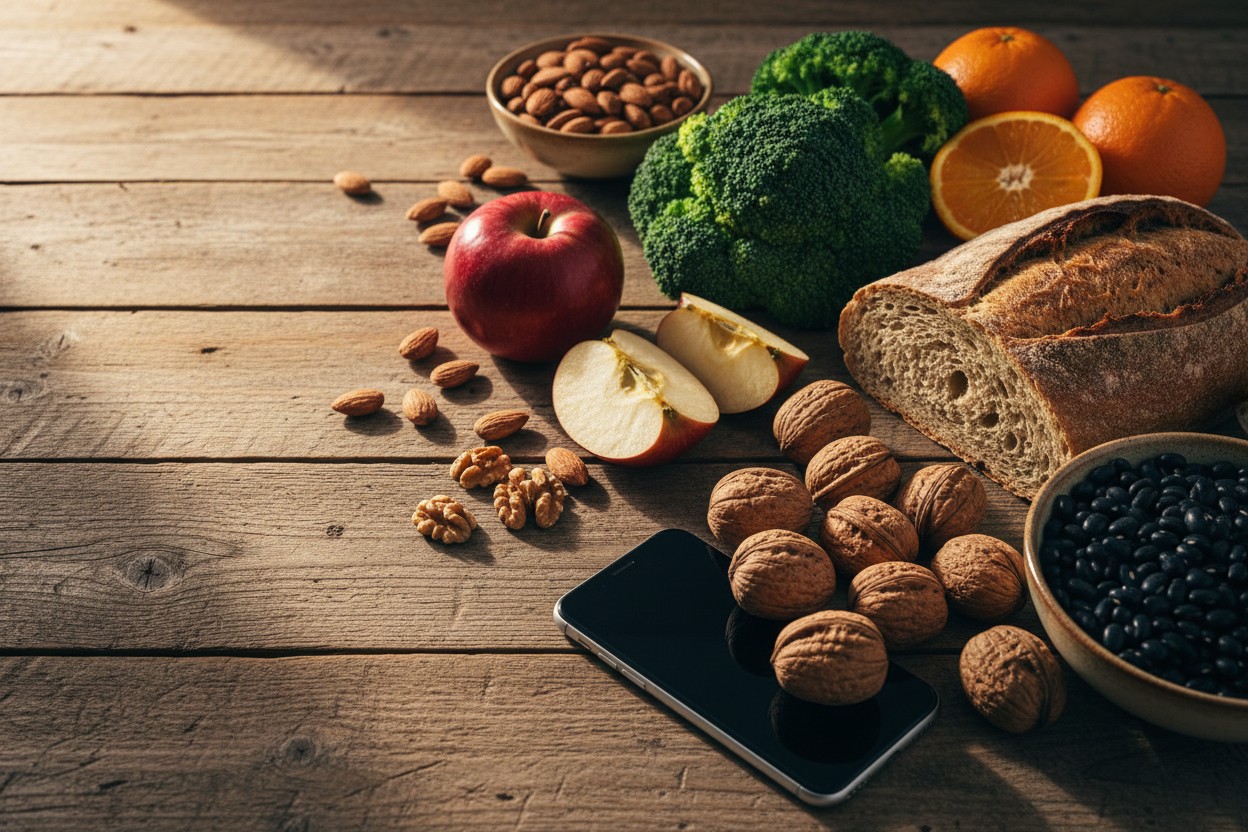
More than half of people over age 50 will experience hemorrhoids, according to the National Institutes of Health, as cited in reports on the new guidance. Hemorrhoids, which are swollen veins in the anus or lower rectum, can cause pain, itching and rectal bleeding. The AGA update advises patients and providers to prioritize dietary changes over quick-fix products.How Fiber Relieves Hemorrhoid SymptomsFiber relieves hemorrhoid symptoms by softening stool and increasing its bulk, according to the AGA. This reduces the need for straining during bowel movements, a primary contributor to hemorrhoid flare-ups. "Increased fiber intake is a reasonable first-line therapy," the guidelines state, as reported in the AGA update.Textbook sources note that fiber stimulates peristalsis by drawing water into the large intestine and forming a bulky, soft fecal outputÂ[1]. Experts have explained that hemorrhoids develop from similar venous pressure as varicose veins, and straining during defecation increases that pressureÂ[2]. By reducing straining, fiber directly addresses one of the key underlying causes.Foods rich in fiber include fruits, vegetables, whole grains, nuts, and seeds. The AGA encourages patients to gradually increase fiber intake while also drinking adequate fluids to avoid constipation.Americans Fall Short on Fiber IntakeDespite the benefits, the majority of Americans do not consume the recommended amount of fiber. The U.S. Department of Agriculture Dietary Guidelines recommend 22 to 28 grams of fiber per day for women and 28 to 45 grams per day for men. According to data cited in the AGA report, about 90% of women and 97% of men fail to meet these recommendations.The average American consumes only 16 grams of fiber daily, roughly half the recommended intake, according to nutritional analysis published byÂNaturalNews.comÂ[3]. The AGA noted that most Americans could benefit from increasing fiber from whole food sources such as fruits, vegetables, and whole grains. A low-fiber diet is listed as a contributing factor to hemorrhoid development in medical referencesÂ[4].Additional Lifestyle Changes HighlightedThe new AGA guidelines also address toilet habits. Prolonged sitting on the toilet, often due to smartphone use, increases pressure on hemorrhoids. A clinical study found that people who use their phones while on the toilet have a 46% higher incidence of developing painful hemorrhoids, according to a report on the researchÂ[5]. The AGA recommends avoiding long bathroom sessions to reduce symptoms.For symptom relief, many people turn to topical creams and sitz baths, but the AGA says there is limited evidence for their long-term effectiveness. The guidelines warn against overuse of topical steroids, noting that using them for more than two weeks can thin the skin and cause further irritation, according to the AGA. Non-steroid topical products may provide short-term relief but do not address the root cause. Medical references note that sitz baths and increased fiber intake are standard conservative treatmentsÂ[6].Diagnosis and Next StepsThe AGA emphasizes that a proper diagnosis is essential before starting any treatment, because rectal bleeding can signal more serious conditions such as colorectal cancer. A physical exam is recommended to rule out other causes, according to the guidelines.For persistent or severe hemorrhoids, office-based procedures or surgical intervention may be necessary. Medical guidelines classify hemorrhoids by severity, from grade I (bleeding without prolapse) to grade IV (irreducible prolapse)Â[4]. Experts cited in the AGA update emphasized that dietary changes remain a safe, accessible first step for most patients. Even when advanced treatment is needed, continuing a high-fiber diet can help prevent recurrence.ReferencesWardlaws contemporary nutrition. Wardlaw Gordon M.The Encyclopedia of Healing Foods. Dr Michael T Murray.The role of FIBER in boosting gut health and fighting disease - NaturalNews.com. January 24, 2026.Family practice guidelines. (Author unknown)The unseen health tax of toilet scrolling Smartphones linked to surge in hemorrhoid cases - NaturalNews.com. Ava Grace. September 13, 2025.Textbook of Natural Medicine Fifth Edition. Dr Michael T Murray.How Do You Know if You Have Hemorrhoids. Mercola.com, June 16, 2009.For Real Hemorrhoid Relief, Choose Fiber Over Creams and Sitz Baths - EverydayHealth.com. April 30, 2026.
More than half of people over age 50 will experience hemorrhoids, according to the National Institutes of Health, as cited in reports on the new guidance. Hemorrhoids, which are swollen veins in the anus or lower rectum, can cause pain, itching and rectal bleeding. The AGA update advises patients and providers to prioritize dietary changes over quick-fix products.How Fiber Relieves Hemorrhoid SymptomsFiber relieves hemorrhoid symptoms by softening stool and increasing its bulk, according to the AGA. This reduces the need for straining during bowel movements, a primary contributor to hemorrhoid flare-ups. "Increased fiber intake is a reasonable first-line therapy," the guidelines state, as reported in the AGA update.Textbook sources note that fiber stimulates peristalsis by drawing water into the large intestine and forming a bulky, soft fecal outputÂ[1]. Experts have explained that hemorrhoids develop from similar venous pressure as varicose veins, and straining during defecation increases that pressureÂ[2]. By reducing straining, fiber directly addresses one of the key underlying causes.Foods rich in fiber include fruits, vegetables, whole grains, nuts, and seeds. The AGA encourages patients to gradually increase fiber intake while also drinking adequate fluids to avoid constipation.Americans Fall Short on Fiber IntakeDespite the benefits, the majority of Americans do not consume the recommended amount of fiber. The U.S. Department of Agriculture Dietary Guidelines recommend 22 to 28 grams of fiber per day for women and 28 to 45 grams per day for men. According to data cited in the AGA report, about 90% of women and 97% of men fail to meet these recommendations.The average American consumes only 16 grams of fiber daily, roughly half the recommended intake, according to nutritional analysis published byÂNaturalNews.comÂ[3]. The AGA noted that most Americans could benefit from increasing fiber from whole food sources such as fruits, vegetables, and whole grains. A low-fiber diet is listed as a contributing factor to hemorrhoid development in medical referencesÂ[4].Additional Lifestyle Changes HighlightedThe new AGA guidelines also address toilet habits. Prolonged sitting on the toilet, often due to smartphone use, increases pressure on hemorrhoids. A clinical study found that people who use their phones while on the toilet have a 46% higher incidence of developing painful hemorrhoids, according to a report on the researchÂ[5]. The AGA recommends avoiding long bathroom sessions to reduce symptoms.For symptom relief, many people turn to topical creams and sitz baths, but the AGA says there is limited evidence for their long-term effectiveness. The guidelines warn against overuse of topical steroids, noting that using them for more than two weeks can thin the skin and cause further irritation, according to the AGA. Non-steroid topical products may provide short-term relief but do not address the root cause. Medical references note that sitz baths and increased fiber intake are standard conservative treatmentsÂ[6].Diagnosis and Next StepsThe AGA emphasizes that a proper diagnosis is essential before starting any treatment, because rectal bleeding can signal more serious conditions such as colorectal cancer. A physical exam is recommended to rule out other causes, according to the guidelines.For persistent or severe hemorrhoids, office-based procedures or surgical intervention may be necessary. Medical guidelines classify hemorrhoids by severity, from grade I (bleeding without prolapse) to grade IV (irreducible prolapse)Â[4]. Experts cited in the AGA update emphasized that dietary changes remain a safe, accessible first step for most patients. Even when advanced treatment is needed, continuing a high-fiber diet can help prevent recurrence.ReferencesWardlaws contemporary nutrition. Wardlaw Gordon M.The Encyclopedia of Healing Foods. Dr Michael T Murray.The role of FIBER in boosting gut health and fighting disease - NaturalNews.com. January 24, 2026.Family practice guidelines. (Author unknown)The unseen health tax of toilet scrolling Smartphones linked to surge in hemorrhoid cases - NaturalNews.com. Ava Grace. September 13, 2025.Textbook of Natural Medicine Fifth Edition. Dr Michael T Murray.How Do You Know if You Have Hemorrhoids. Mercola.com, June 16, 2009.For Real Hemorrhoid Relief, Choose Fiber Over Creams and Sitz Baths - EverydayHealth.com. April 30, 2026.
How Fiber Relieves Hemorrhoid SymptomsFiber relieves hemorrhoid symptoms by softening stool and increasing its bulk, according to the AGA. This reduces the need for straining during bowel movements, a primary contributor to hemorrhoid flare-ups. "Increased fiber intake is a reasonable first-line therapy," the guidelines state, as reported in the AGA update.Textbook sources note that fiber stimulates peristalsis by drawing water into the large intestine and forming a bulky, soft fecal outputÂ[1]. Experts have explained that hemorrhoids develop from similar venous pressure as varicose veins, and straining during defecation increases that pressureÂ[2]. By reducing straining, fiber directly addresses one of the key underlying causes.Foods rich in fiber include fruits, vegetables, whole grains, nuts, and seeds. The AGA encourages patients to gradually increase fiber intake while also drinking adequate fluids to avoid constipation.Americans Fall Short on Fiber IntakeDespite the benefits, the majority of Americans do not consume the recommended amount of fiber. The U.S. Department of Agriculture Dietary Guidelines recommend 22 to 28 grams of fiber per day for women and 28 to 45 grams per day for men. According to data cited in the AGA report, about 90% of women and 97% of men fail to meet these recommendations.The average American consumes only 16 grams of fiber daily, roughly half the recommended intake, according to nutritional analysis published byÂNaturalNews.comÂ[3]. The AGA noted that most Americans could benefit from increasing fiber from whole food sources such as fruits, vegetables, and whole grains. A low-fiber diet is listed as a contributing factor to hemorrhoid development in medical referencesÂ[4].Additional Lifestyle Changes HighlightedThe new AGA guidelines also address toilet habits. Prolonged sitting on the toilet, often due to smartphone use, increases pressure on hemorrhoids. A clinical study found that people who use their phones while on the toilet have a 46% higher incidence of developing painful hemorrhoids, according to a report on the researchÂ[5]. The AGA recommends avoiding long bathroom sessions to reduce symptoms.For symptom relief, many people turn to topical creams and sitz baths, but the AGA says there is limited evidence for their long-term effectiveness. The guidelines warn against overuse of topical steroids, noting that using them for more than two weeks can thin the skin and cause further irritation, according to the AGA. Non-steroid topical products may provide short-term relief but do not address the root cause. Medical references note that sitz baths and increased fiber intake are standard conservative treatmentsÂ[6].Diagnosis and Next StepsThe AGA emphasizes that a proper diagnosis is essential before starting any treatment, because rectal bleeding can signal more serious conditions such as colorectal cancer. A physical exam is recommended to rule out other causes, according to the guidelines.For persistent or severe hemorrhoids, office-based procedures or surgical intervention may be necessary. Medical guidelines classify hemorrhoids by severity, from grade I (bleeding without prolapse) to grade IV (irreducible prolapse)Â[4]. Experts cited in the AGA update emphasized that dietary changes remain a safe, accessible first step for most patients. Even when advanced treatment is needed, continuing a high-fiber diet can help prevent recurrence.ReferencesWardlaws contemporary nutrition. Wardlaw Gordon M.The Encyclopedia of Healing Foods. Dr Michael T Murray.The role of FIBER in boosting gut health and fighting disease - NaturalNews.com. January 24, 2026.Family practice guidelines. (Author unknown)The unseen health tax of toilet scrolling Smartphones linked to surge in hemorrhoid cases - NaturalNews.com. Ava Grace. September 13, 2025.Textbook of Natural Medicine Fifth Edition. Dr Michael T Murray.How Do You Know if You Have Hemorrhoids. Mercola.com, June 16, 2009.For Real Hemorrhoid Relief, Choose Fiber Over Creams and Sitz Baths - EverydayHealth.com. April 30, 2026.
Fiber relieves hemorrhoid symptoms by softening stool and increasing its bulk, according to the AGA. This reduces the need for straining during bowel movements, a primary contributor to hemorrhoid flare-ups. "Increased fiber intake is a reasonable first-line therapy," the guidelines state, as reported in the AGA update.Textbook sources note that fiber stimulates peristalsis by drawing water into the large intestine and forming a bulky, soft fecal outputÂ[1]. Experts have explained that hemorrhoids develop from similar venous pressure as varicose veins, and straining during defecation increases that pressureÂ[2]. By reducing straining, fiber directly addresses one of the key underlying causes.Foods rich in fiber include fruits, vegetables, whole grains, nuts, and seeds. The AGA encourages patients to gradually increase fiber intake while also drinking adequate fluids to avoid constipation.Americans Fall Short on Fiber IntakeDespite the benefits, the majority of Americans do not consume the recommended amount of fiber. The U.S. Department of Agriculture Dietary Guidelines recommend 22 to 28 grams of fiber per day for women and 28 to 45 grams per day for men. According to data cited in the AGA report, about 90% of women and 97% of men fail to meet these recommendations.The average American consumes only 16 grams of fiber daily, roughly half the recommended intake, according to nutritional analysis published byÂNaturalNews.comÂ[3]. The AGA noted that most Americans could benefit from increasing fiber from whole food sources such as fruits, vegetables, and whole grains. A low-fiber diet is listed as a contributing factor to hemorrhoid development in medical referencesÂ[4].Additional Lifestyle Changes HighlightedThe new AGA guidelines also address toilet habits. Prolonged sitting on the toilet, often due to smartphone use, increases pressure on hemorrhoids. A clinical study found that people who use their phones while on the toilet have a 46% higher incidence of developing painful hemorrhoids, according to a report on the researchÂ[5]. The AGA recommends avoiding long bathroom sessions to reduce symptoms.For symptom relief, many people turn to topical creams and sitz baths, but the AGA says there is limited evidence for their long-term effectiveness. The guidelines warn against overuse of topical steroids, noting that using them for more than two weeks can thin the skin and cause further irritation, according to the AGA. Non-steroid topical products may provide short-term relief but do not address the root cause. Medical references note that sitz baths and increased fiber intake are standard conservative treatmentsÂ[6].Diagnosis and Next StepsThe AGA emphasizes that a proper diagnosis is essential before starting any treatment, because rectal bleeding can signal more serious conditions such as colorectal cancer. A physical exam is recommended to rule out other causes, according to the guidelines.For persistent or severe hemorrhoids, office-based procedures or surgical intervention may be necessary. Medical guidelines classify hemorrhoids by severity, from grade I (bleeding without prolapse) to grade IV (irreducible prolapse)Â[4]. Experts cited in the AGA update emphasized that dietary changes remain a safe, accessible first step for most patients. Even when advanced treatment is needed, continuing a high-fiber diet can help prevent recurrence.ReferencesWardlaws contemporary nutrition. Wardlaw Gordon M.The Encyclopedia of Healing Foods. Dr Michael T Murray.The role of FIBER in boosting gut health and fighting disease - NaturalNews.com. January 24, 2026.Family practice guidelines. (Author unknown)The unseen health tax of toilet scrolling Smartphones linked to surge in hemorrhoid cases - NaturalNews.com. Ava Grace. September 13, 2025.Textbook of Natural Medicine Fifth Edition. Dr Michael T Murray.How Do You Know if You Have Hemorrhoids. Mercola.com, June 16, 2009.For Real Hemorrhoid Relief, Choose Fiber Over Creams and Sitz Baths - EverydayHealth.com. April 30, 2026.
Textbook sources note that fiber stimulates peristalsis by drawing water into the large intestine and forming a bulky, soft fecal outputÂ[1]. Experts have explained that hemorrhoids develop from similar venous pressure as varicose veins, and straining during defecation increases that pressureÂ[2]. By reducing straining, fiber directly addresses one of the key underlying causes.Foods rich in fiber include fruits, vegetables, whole grains, nuts, and seeds. The AGA encourages patients to gradually increase fiber intake while also drinking adequate fluids to avoid constipation.Americans Fall Short on Fiber IntakeDespite the benefits, the majority of Americans do not consume the recommended amount of fiber. The U.S. Department of Agriculture Dietary Guidelines recommend 22 to 28 grams of fiber per day for women and 28 to 45 grams per day for men. According to data cited in the AGA report, about 90% of women and 97% of men fail to meet these recommendations.The average American consumes only 16 grams of fiber daily, roughly half the recommended intake, according to nutritional analysis published byÂNaturalNews.comÂ[3]. The AGA noted that most Americans could benefit from increasing fiber from whole food sources such as fruits, vegetables, and whole grains. A low-fiber diet is listed as a contributing factor to hemorrhoid development in medical referencesÂ[4].Additional Lifestyle Changes HighlightedThe new AGA guidelines also address toilet habits. Prolonged sitting on the toilet, often due to smartphone use, increases pressure on hemorrhoids. A clinical study found that people who use their phones while on the toilet have a 46% higher incidence of developing painful hemorrhoids, according to a report on the researchÂ[5]. The AGA recommends avoiding long bathroom sessions to reduce symptoms.For symptom relief, many people turn to topical creams and sitz baths, but the AGA says there is limited evidence for their long-term effectiveness. The guidelines warn against overuse of topical steroids, noting that using them for more than two weeks can thin the skin and cause further irritation, according to the AGA. Non-steroid topical products may provide short-term relief but do not address the root cause. Medical references note that sitz baths and increased fiber intake are standard conservative treatmentsÂ[6].Diagnosis and Next StepsThe AGA emphasizes that a proper diagnosis is essential before starting any treatment, because rectal bleeding can signal more serious conditions such as colorectal cancer. A physical exam is recommended to rule out other causes, according to the guidelines.For persistent or severe hemorrhoids, office-based procedures or surgical intervention may be necessary. Medical guidelines classify hemorrhoids by severity, from grade I (bleeding without prolapse) to grade IV (irreducible prolapse)Â[4]. Experts cited in the AGA update emphasized that dietary changes remain a safe, accessible first step for most patients. Even when advanced treatment is needed, continuing a high-fiber diet can help prevent recurrence.ReferencesWardlaws contemporary nutrition. Wardlaw Gordon M.The Encyclopedia of Healing Foods. Dr Michael T Murray.The role of FIBER in boosting gut health and fighting disease - NaturalNews.com. January 24, 2026.Family practice guidelines. (Author unknown)The unseen health tax of toilet scrolling Smartphones linked to surge in hemorrhoid cases - NaturalNews.com. Ava Grace. September 13, 2025.Textbook of Natural Medicine Fifth Edition. Dr Michael T Murray.How Do You Know if You Have Hemorrhoids. Mercola.com, June 16, 2009.For Real Hemorrhoid Relief, Choose Fiber Over Creams and Sitz Baths - EverydayHealth.com. April 30, 2026.
Textbook sources note that fiber stimulates peristalsis by drawing water into the large intestine and forming a bulky, soft fecal outputÂ[1]. Experts have explained that hemorrhoids develop from similar venous pressure as varicose veins, and straining during defecation increases that pressureÂ[2]. By reducing straining, fiber directly addresses one of the key underlying causes.Foods rich in fiber include fruits, vegetables, whole grains, nuts, and seeds. The AGA encourages patients to gradually increase fiber intake while also drinking adequate fluids to avoid constipation.Americans Fall Short on Fiber IntakeDespite the benefits, the majority of Americans do not consume the recommended amount of fiber. The U.S. Department of Agriculture Dietary Guidelines recommend 22 to 28 grams of fiber per day for women and 28 to 45 grams per day for men. According to data cited in the AGA report, about 90% of women and 97% of men fail to meet these recommendations.The average American consumes only 16 grams of fiber daily, roughly half the recommended intake, according to nutritional analysis published byÂNaturalNews.comÂ[3]. The AGA noted that most Americans could benefit from increasing fiber from whole food sources such as fruits, vegetables, and whole grains. A low-fiber diet is listed as a contributing factor to hemorrhoid development in medical referencesÂ[4].Additional Lifestyle Changes HighlightedThe new AGA guidelines also address toilet habits. Prolonged sitting on the toilet, often due to smartphone use, increases pressure on hemorrhoids. A clinical study found that people who use their phones while on the toilet have a 46% higher incidence of developing painful hemorrhoids, according to a report on the researchÂ[5]. The AGA recommends avoiding long bathroom sessions to reduce symptoms.For symptom relief, many people turn to topical creams and sitz baths, but the AGA says there is limited evidence for their long-term effectiveness. The guidelines warn against overuse of topical steroids, noting that using them for more than two weeks can thin the skin and cause further irritation, according to the AGA. Non-steroid topical products may provide short-term relief but do not address the root cause. Medical references note that sitz baths and increased fiber intake are standard conservative treatmentsÂ[6].Diagnosis and Next StepsThe AGA emphasizes that a proper diagnosis is essential before starting any treatment, because rectal bleeding can signal more serious conditions such as colorectal cancer. A physical exam is recommended to rule out other causes, according to the guidelines.For persistent or severe hemorrhoids, office-based procedures or surgical intervention may be necessary. Medical guidelines classify hemorrhoids by severity, from grade I (bleeding without prolapse) to grade IV (irreducible prolapse)Â[4]. Experts cited in the AGA update emphasized that dietary changes remain a safe, accessible first step for most patients. Even when advanced treatment is needed, continuing a high-fiber diet can help prevent recurrence.ReferencesWardlaws contemporary nutrition. Wardlaw Gordon M.The Encyclopedia of Healing Foods. Dr Michael T Murray.The role of FIBER in boosting gut health and fighting disease - NaturalNews.com. January 24, 2026.Family practice guidelines. (Author unknown)The unseen health tax of toilet scrolling Smartphones linked to surge in hemorrhoid cases - NaturalNews.com. Ava Grace. September 13, 2025.Textbook of Natural Medicine Fifth Edition. Dr Michael T Murray.How Do You Know if You Have Hemorrhoids. Mercola.com, June 16, 2009.For Real Hemorrhoid Relief, Choose Fiber Over Creams and Sitz Baths - EverydayHealth.com. April 30, 2026.
Foods rich in fiber include fruits, vegetables, whole grains, nuts, and seeds. The AGA encourages patients to gradually increase fiber intake while also drinking adequate fluids to avoid constipation.Americans Fall Short on Fiber IntakeDespite the benefits, the majority of Americans do not consume the recommended amount of fiber. The U.S. Department of Agriculture Dietary Guidelines recommend 22 to 28 grams of fiber per day for women and 28 to 45 grams per day for men. According to data cited in the AGA report, about 90% of women and 97% of men fail to meet these recommendations.The average American consumes only 16 grams of fiber daily, roughly half the recommended intake, according to nutritional analysis published byÂNaturalNews.comÂ[3]. The AGA noted that most Americans could benefit from increasing fiber from whole food sources such as fruits, vegetables, and whole grains. A low-fiber diet is listed as a contributing factor to hemorrhoid development in medical referencesÂ[4].Additional Lifestyle Changes HighlightedThe new AGA guidelines also address toilet habits. Prolonged sitting on the toilet, often due to smartphone use, increases pressure on hemorrhoids. A clinical study found that people who use their phones while on the toilet have a 46% higher incidence of developing painful hemorrhoids, according to a report on the researchÂ[5]. The AGA recommends avoiding long bathroom sessions to reduce symptoms.For symptom relief, many people turn to topical creams and sitz baths, but the AGA says there is limited evidence for their long-term effectiveness. The guidelines warn against overuse of topical steroids, noting that using them for more than two weeks can thin the skin and cause further irritation, according to the AGA. Non-steroid topical products may provide short-term relief but do not address the root cause. Medical references note that sitz baths and increased fiber intake are standard conservative treatmentsÂ[6].Diagnosis and Next StepsThe AGA emphasizes that a proper diagnosis is essential before starting any treatment, because rectal bleeding can signal more serious conditions such as colorectal cancer. A physical exam is recommended to rule out other causes, according to the guidelines.For persistent or severe hemorrhoids, office-based procedures or surgical intervention may be necessary. Medical guidelines classify hemorrhoids by severity, from grade I (bleeding without prolapse) to grade IV (irreducible prolapse)Â[4]. Experts cited in the AGA update emphasized that dietary changes remain a safe, accessible first step for most patients. Even when advanced treatment is needed, continuing a high-fiber diet can help prevent recurrence.ReferencesWardlaws contemporary nutrition. Wardlaw Gordon M.The Encyclopedia of Healing Foods. Dr Michael T Murray.The role of FIBER in boosting gut health and fighting disease - NaturalNews.com. January 24, 2026.Family practice guidelines. (Author unknown)The unseen health tax of toilet scrolling Smartphones linked to surge in hemorrhoid cases - NaturalNews.com. Ava Grace. September 13, 2025.Textbook of Natural Medicine Fifth Edition. Dr Michael T Murray.How Do You Know if You Have Hemorrhoids. Mercola.com, June 16, 2009.For Real Hemorrhoid Relief, Choose Fiber Over Creams and Sitz Baths - EverydayHealth.com. April 30, 2026.
Foods rich in fiber include fruits, vegetables, whole grains, nuts, and seeds. The AGA encourages patients to gradually increase fiber intake while also drinking adequate fluids to avoid constipation.Americans Fall Short on Fiber IntakeDespite the benefits, the majority of Americans do not consume the recommended amount of fiber. The U.S. Department of Agriculture Dietary Guidelines recommend 22 to 28 grams of fiber per day for women and 28 to 45 grams per day for men. According to data cited in the AGA report, about 90% of women and 97% of men fail to meet these recommendations.The average American consumes only 16 grams of fiber daily, roughly half the recommended intake, according to nutritional analysis published byÂNaturalNews.comÂ[3]. The AGA noted that most Americans could benefit from increasing fiber from whole food sources such as fruits, vegetables, and whole grains. A low-fiber diet is listed as a contributing factor to hemorrhoid development in medical referencesÂ[4].Additional Lifestyle Changes HighlightedThe new AGA guidelines also address toilet habits. Prolonged sitting on the toilet, often due to smartphone use, increases pressure on hemorrhoids. A clinical study found that people who use their phones while on the toilet have a 46% higher incidence of developing painful hemorrhoids, according to a report on the researchÂ[5]. The AGA recommends avoiding long bathroom sessions to reduce symptoms.For symptom relief, many people turn to topical creams and sitz baths, but the AGA says there is limited evidence for their long-term effectiveness. The guidelines warn against overuse of topical steroids, noting that using them for more than two weeks can thin the skin and cause further irritation, according to the AGA. Non-steroid topical products may provide short-term relief but do not address the root cause. Medical references note that sitz baths and increased fiber intake are standard conservative treatmentsÂ[6].Diagnosis and Next StepsThe AGA emphasizes that a proper diagnosis is essential before starting any treatment, because rectal bleeding can signal more serious conditions such as colorectal cancer. A physical exam is recommended to rule out other causes, according to the guidelines.For persistent or severe hemorrhoids, office-based procedures or surgical intervention may be necessary. Medical guidelines classify hemorrhoids by severity, from grade I (bleeding without prolapse) to grade IV (irreducible prolapse)Â[4]. Experts cited in the AGA update emphasized that dietary changes remain a safe, accessible first step for most patients. Even when advanced treatment is needed, continuing a high-fiber diet can help prevent recurrence.ReferencesWardlaws contemporary nutrition. Wardlaw Gordon M.The Encyclopedia of Healing Foods. Dr Michael T Murray.The role of FIBER in boosting gut health and fighting disease - NaturalNews.com. January 24, 2026.Family practice guidelines. (Author unknown)The unseen health tax of toilet scrolling Smartphones linked to surge in hemorrhoid cases - NaturalNews.com. Ava Grace. September 13, 2025.Textbook of Natural Medicine Fifth Edition. Dr Michael T Murray.How Do You Know if You Have Hemorrhoids. Mercola.com, June 16, 2009.For Real Hemorrhoid Relief, Choose Fiber Over Creams and Sitz Baths - EverydayHealth.com. April 30, 2026.
Americans Fall Short on Fiber IntakeDespite the benefits, the majority of Americans do not consume the recommended amount of fiber. The U.S. Department of Agriculture Dietary Guidelines recommend 22 to 28 grams of fiber per day for women and 28 to 45 grams per day for men. According to data cited in the AGA report, about 90% of women and 97% of men fail to meet these recommendations.The average American consumes only 16 grams of fiber daily, roughly half the recommended intake, according to nutritional analysis published byÂNaturalNews.comÂ[3]. The AGA noted that most Americans could benefit from increasing fiber from whole food sources such as fruits, vegetables, and whole grains. A low-fiber diet is listed as a contributing factor to hemorrhoid development in medical referencesÂ[4].Additional Lifestyle Changes HighlightedThe new AGA guidelines also address toilet habits. Prolonged sitting on the toilet, often due to smartphone use, increases pressure on hemorrhoids. A clinical study found that people who use their phones while on the toilet have a 46% higher incidence of developing painful hemorrhoids, according to a report on the researchÂ[5]. The AGA recommends avoiding long bathroom sessions to reduce symptoms.For symptom relief, many people turn to topical creams and sitz baths, but the AGA says there is limited evidence for their long-term effectiveness. The guidelines warn against overuse of topical steroids, noting that using them for more than two weeks can thin the skin and cause further irritation, according to the AGA. Non-steroid topical products may provide short-term relief but do not address the root cause. Medical references note that sitz baths and increased fiber intake are standard conservative treatmentsÂ[6].Diagnosis and Next StepsThe AGA emphasizes that a proper diagnosis is essential before starting any treatment, because rectal bleeding can signal more serious conditions such as colorectal cancer. A physical exam is recommended to rule out other causes, according to the guidelines.For persistent or severe hemorrhoids, office-based procedures or surgical intervention may be necessary. Medical guidelines classify hemorrhoids by severity, from grade I (bleeding without prolapse) to grade IV (irreducible prolapse)Â[4]. Experts cited in the AGA update emphasized that dietary changes remain a safe, accessible first step for most patients. Even when advanced treatment is needed, continuing a high-fiber diet can help prevent recurrence.ReferencesWardlaws contemporary nutrition. Wardlaw Gordon M.The Encyclopedia of Healing Foods. Dr Michael T Murray.The role of FIBER in boosting gut health and fighting disease - NaturalNews.com. January 24, 2026.Family practice guidelines. (Author unknown)The unseen health tax of toilet scrolling Smartphones linked to surge in hemorrhoid cases - NaturalNews.com. Ava Grace. September 13, 2025.Textbook of Natural Medicine Fifth Edition. Dr Michael T Murray.How Do You Know if You Have Hemorrhoids. Mercola.com, June 16, 2009.For Real Hemorrhoid Relief, Choose Fiber Over Creams and Sitz Baths - EverydayHealth.com. April 30, 2026.
Despite the benefits, the majority of Americans do not consume the recommended amount of fiber. The U.S. Department of Agriculture Dietary Guidelines recommend 22 to 28 grams of fiber per day for women and 28 to 45 grams per day for men. According to data cited in the AGA report, about 90% of women and 97% of men fail to meet these recommendations.The average American consumes only 16 grams of fiber daily, roughly half the recommended intake, according to nutritional analysis published byÂNaturalNews.comÂ[3]. The AGA noted that most Americans could benefit from increasing fiber from whole food sources such as fruits, vegetables, and whole grains. A low-fiber diet is listed as a contributing factor to hemorrhoid development in medical referencesÂ[4].Additional Lifestyle Changes HighlightedThe new AGA guidelines also address toilet habits. Prolonged sitting on the toilet, often due to smartphone use, increases pressure on hemorrhoids. A clinical study found that people who use their phones while on the toilet have a 46% higher incidence of developing painful hemorrhoids, according to a report on the researchÂ[5]. The AGA recommends avoiding long bathroom sessions to reduce symptoms.For symptom relief, many people turn to topical creams and sitz baths, but the AGA says there is limited evidence for their long-term effectiveness. The guidelines warn against overuse of topical steroids, noting that using them for more than two weeks can thin the skin and cause further irritation, according to the AGA. Non-steroid topical products may provide short-term relief but do not address the root cause. Medical references note that sitz baths and increased fiber intake are standard conservative treatmentsÂ[6].Diagnosis and Next StepsThe AGA emphasizes that a proper diagnosis is essential before starting any treatment, because rectal bleeding can signal more serious conditions such as colorectal cancer. A physical exam is recommended to rule out other causes, according to the guidelines.For persistent or severe hemorrhoids, office-based procedures or surgical intervention may be necessary. Medical guidelines classify hemorrhoids by severity, from grade I (bleeding without prolapse) to grade IV (irreducible prolapse)Â[4]. Experts cited in the AGA update emphasized that dietary changes remain a safe, accessible first step for most patients. Even when advanced treatment is needed, continuing a high-fiber diet can help prevent recurrence.ReferencesWardlaws contemporary nutrition. Wardlaw Gordon M.The Encyclopedia of Healing Foods. Dr Michael T Murray.The role of FIBER in boosting gut health and fighting disease - NaturalNews.com. January 24, 2026.Family practice guidelines. (Author unknown)The unseen health tax of toilet scrolling Smartphones linked to surge in hemorrhoid cases - NaturalNews.com. Ava Grace. September 13, 2025.Textbook of Natural Medicine Fifth Edition. Dr Michael T Murray.How Do You Know if You Have Hemorrhoids. Mercola.com, June 16, 2009.For Real Hemorrhoid Relief, Choose Fiber Over Creams and Sitz Baths - EverydayHealth.com. April 30, 2026.
Source: NaturalNews.com
